



Common Concrete Problems and How to Prevent Them
Concrete is one of the most widely used building materials in the world, valued for its strength, durability and versatility. From commercial foundations and roadways to industrial facilities and infrastructure projects, concrete plays a critical role in modern construction. However, concrete problems can happen to even the best crews.
Issues often develop when installation or environmental conditions aren’t quite what they should be, or when equipment maintenance goes overlooked. Some concrete problems are primarily cosmetic, while others can affect structural integrity, job site safety and the lifespan of the finished project. Understanding how common concrete problems display themselves, their causes and how to prevent them can help crews deliver better results and avoid costly repairs down the road. Here are four issues to watch for.
Issue #1: Spalling Concrete
One of the more serious concrete problems crews are likely to encounter is spalling concrete. Spalling occurs when pieces of concrete break away from the surface, leaving visible cracks, pits or missing sections.
In many cases, spalling begins when moisture reaches reinforcement bars inside the concrete. As the steel corrodes and rust expands, pressure builds within the material. Over time, that pressure causes cracks — and eventually forces pieces of the concrete surface to break loose. Here are some tips to help prevent concrete spalling.
- Protect reinforcement bars with adequate concrete cover.
- Avoid damaging covers during installation.
- Minimize moisture intrusion whenever possible.
- Follow proper placement and finishing practices.
Spalling concrete can create safety hazards, particularly when dislodged material falls. It may also expose reinforcement bars and accelerate further deterioration. Addressing moisture exposure early is one of the most effective ways to reduce the risk of concrete spalling.
Issue #2: Scaling and Flaking Concrete
Flaking concrete, sometimes called concrete scaling, occurs when the surface layer begins to peel, chip or break away. While it is often less severe than spalling, it can still affect appearance, create trip hazards and shorten the life of the surface.
Concrete flaking commonly occurs when freeze-thaw cycles place stress on the material. Industry guidance from the American Concrete Institute (ACI) notes that improper finishing practices and inadequate air entrainment can contribute to surface scaling in concrete exposed to freezing conditions.
Other contributing factors may include improper curing practices and exposure to harsh environmental conditions. To reduce the risk of flaking concrete, consider the following.
- Use a concrete mix appropriate for local conditions.
- Consider air entrainment when freeze-thaw exposure is expected.
- Allow bleed water to evaporate before final finishing.
- Follow recommended curing procedures.
When crews use the right mix and follow proper curing practices, they can reduce the likelihood of surface deterioration. These steps are especially important in areas where concrete is exposed to repeated instances of freezing and thawing.
Issue #3: Cracked Concrete
Cracked concrete is one of the most common concerns construction professionals encounter. While some minor cracking can occur as concrete cures, certain types of cracks can indicate underlying issues.
One common cause is plastic shrinkage. When excessive water is added to the mix, the concrete may experience greater shrinkage as it cures, increasing the likelihood of cracking. Conversely, concrete that is too dry may develop crazing cracks. These fine surface cracks often resemble a spiderweb pattern or shattered glass. Although they are typically cosmetic, they can affect the finished appearance of the project. Here are some other factors that may contribute to cracked concrete.
- Improper Concrete Mix Proportions
- Rapid Moisture Loss
- Temperature Fluctuations
- Inadequate Curing
- Excessive Loads or Movement
Taking proper precautions can improve both concrete’s appearance and its long-term performance. Consider the following.
- Use the proper water-to-cement ratio.
- Monitor environmental conditions during placement.
- Follow recommended curing procedures.
- Install control joints where appropriate.
- Avoid overly wet or overly dry mixes.
Issue #4: Dried Lumps in Poured Concrete
Not all concrete problems occur after a pour. In some cases, issues begin before the material even reaches the job site. If dried lumps resembling stones or hardened chunks are appearing in freshly poured concrete, buildup inside a ready-mix truck drum or central mixer may be the cause.
Each time concrete is mixed and transported, small amounts of loose material remain behind. Over time, that residue hardens and accumulates on interior surfaces. Eventually, pieces can break free and enter new batches of concrete, affecting consistency and appearance. These dried lumps can create a range of challenges for crews, including:
- Concrete Discoloration
- Inconsistent Pours
- The Need for Additional Finishing Work
- Customer Complaints
- Reduced Confidence in the Final Product
When hardened buildup becomes severe, it can also reduce equipment efficiency and capacity. Regular drum and mixer cleaning helps prevent old material from breaking loose and entering fresh batches, supporting cleaner pours and more consistent results.
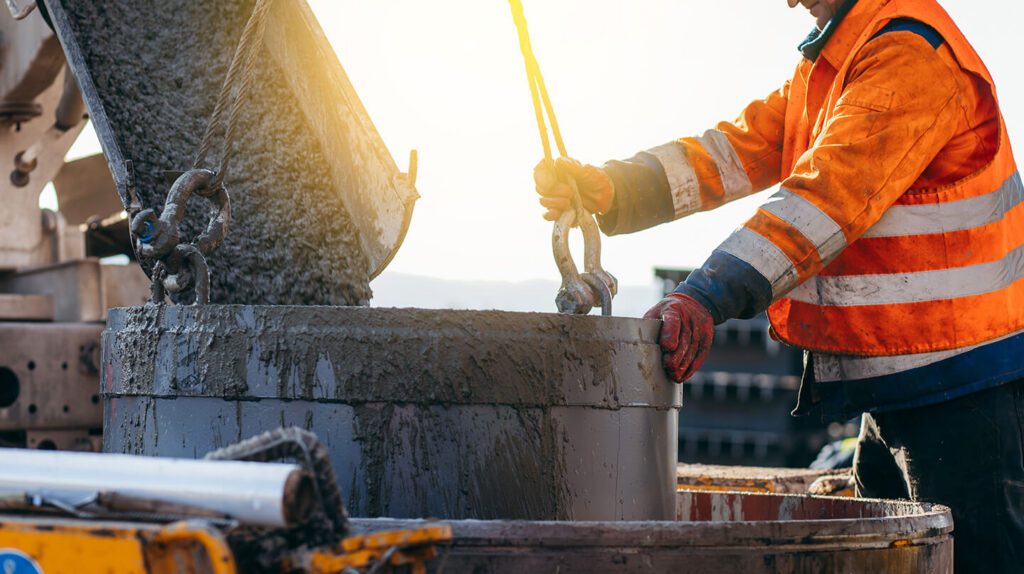
Why Equipment Maintenance Matters
Many concrete professionals focus on mix design, placement techniques and curing practices when trying to prevent problems. While those factors are important, equipment maintenance plays a major role, as well.
Regular concrete chipping helps remove hardened buildup from ready mix truck drums and central mixers before it begins affecting operations. Likewise, routine cement silo cleaning helps prevent clogs and material flow issues that can slow production. Industry experts recommend scheduling cleaning services every three months, although frequency varies based on production volume and operating conditions. Staying ahead of buildup helps crews avoid preventable issues before they affect the next pour.
Prevent Concrete Problems Before They Start
Concrete problems can affect appearance, durability, safety and customer satisfaction. Issues such as concrete spalling, flaking concrete, cracked concrete and dried lumps in poured concrete often have preventable causes. By using proper installation techniques, monitoring environmental conditions and maintaining equipment on a regular schedule, crews can reduce the risk of common problems and improve overall project outcomes.
If you have questions about concrete maintenance or want to keep your redi mix trucks, central mixers and silos operating at their best, contact General Chipping. Our pros are here to help keep your fleet ready to roll.
FAQs: Concrete Problems
-
How do you know if concrete damage is serious?
Concrete damage may be serious if cracks are widening, pieces are breaking loose, reinforcement bars are exposed or the surface is creating safety hazards. When damage affects stability, drainage or load-bearing areas, it should be evaluated promptly.
-
Why does concrete flake after it is poured?
Concrete may flake after pouring due to freeze-thaw exposure, improper finishing, excess surface moisture, poor curing or a mix not suited to the environment. These issues can weaken the surface layer and cause it to peel, chip or break away.
-
Can concrete spalling be prevented?
Concrete spalling can often be reduced by protecting reinforcement bars, limiting moisture intrusion, using proper concrete cover and following recommended placement, finishing and curing practices. Routine inspections can also help crews identify early damage before it becomes more serious.
-
What causes rocks or hard chunks in fresh concrete?
Chunks in fresh concrete may come from hardened buildup inside ready-mix truck drums or central mixers. As buildup breaks loose, it can enter new batches and affect the quality of the pour.
-
Why is regular concrete drum cleaning important?
Regular concrete drum cleaning helps remove hardened buildup before it contaminates fresh concrete, reduces mixer capacity or affects equipment performance. General Chipping recommends cleaning approximately every three months.