



Cement Dust: Understanding the Risks and How to Stay Protected
Construction and concrete work come with no shortage of hazards. Some risks are easy to recognize, such as moving equipment or heavy materials, while others can be much harder to spot. Cement dust is one of those virtually invisible dangers. Although it may seem like a routine byproduct of everyday work, repeated exposure can lead to serious health concerns for workers and anyone else nearby. Fortunately, understanding where cement dust comes from and taking the proper precautions can go a long way toward protecting crews.
At General Chipping, safety is just as important as efficiency. Here, we’ll take a closer look at cement dust, the health risks associated with exposure and practical ways to reduce those risks while keeping operations ready to roll.

Dust from Cement: What Causes it and How Exposure Occurs
Before discussing the hazards, it’s important to understand the basics surrounding dust from cement. Cement dust consists of extremely fine particles released whenever cement or concrete materials are handled, transferred or disturbed. Depending on the activity taking place, the airborne dust may contain cement, sand, limestone and other ingredients commonly used in concrete production.
Dust from cement is generated throughout nearly every stage of concrete production and on active job sites. Some of the most common sources include:
- Mixing dry cement and other raw materials
- Loading or unloading cement silos
- Filling or emptying concrete batch plants
- Concrete chipping inside ready mix truck drums
- Central mixer cleaning after hardened concrete buildup develops
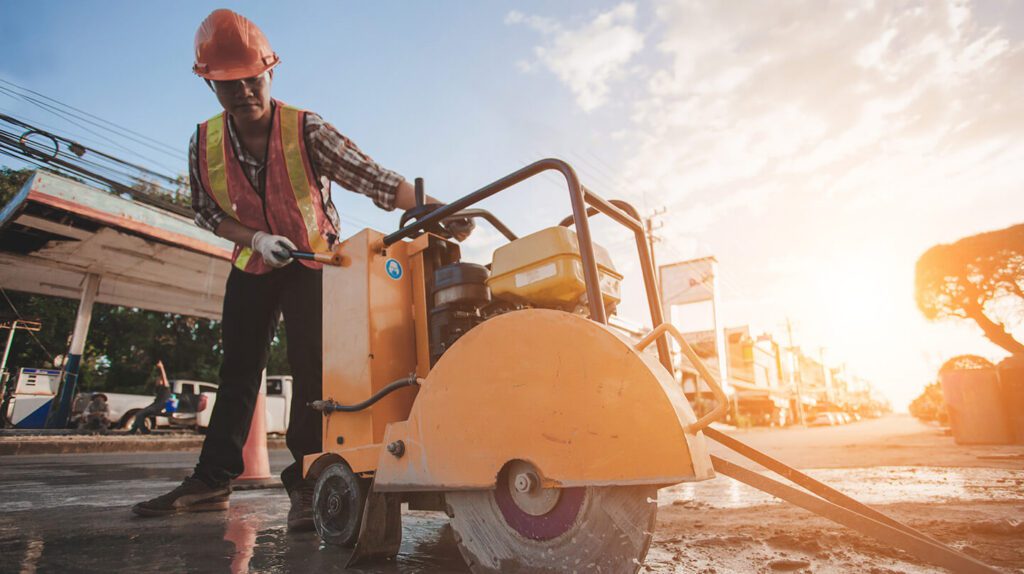
- Cutting, drilling or grinding cured concrete
- Sweeping or cleaning accumulated concrete dust
Workers don’t have to be performing these tasks themselves to be exposed. Airborne particles can travel throughout a work area, particularly when work is performed in enclosed or poorly ventilated spaces. Dust from cement can also settle on clothing, tools and equipment before becoming airborne again later in the day, increasing the likelihood of continued exposure.
It’s worth noting that while people often use the terms interchangeably, cement dust and respirable crystalline silica are not exactly the same thing. Cement dust may contain respirable crystalline silica, a naturally occurring mineral found in sand, stone and concrete. These microscopic silica particles are small enough to travel deep into the lungs when inhaled, making them one of the greatest long-term health concerns associated with dust from cement.
The Health Risks of Breathed-in Cement Dust
Not every case of breathed-in cement dust results in immediate illness. In many situations, workers may experience only mild irritation at first. However, repeated or prolonged exposure can contribute to serious — and sometimes permanent — health conditions over time.
The Occupational Safety and Health Administration (OSHA) reports that approximately 2.3 million U.S. workers are exposed to respirable crystalline silica on the job each year, with construction workers representing one of the largest affected groups. Potential health concerns include the following.
- Respiratory Irritation: Fine dust particles can irritate the nose, throat and lungs, leading to coughing, wheezing, sore throat and shortness of breath.
- Silicosis: Long-term exposure to respirable crystalline silica can scar lung tissue, causing silicosis — an irreversible disease that permanently reduces lung function.
- Lung Cancer: OSHA identifies respirable crystalline silica as a human carcinogen. Repeated exposure over time can significantly increase the risk of developing lung cancer.
- Chronic Obstructive Pulmonary Disease (COPD): Long-term exposure has also been linked to chronic respiratory diseases that make breathing progressively more difficult.
- Kidney Disease: Studies have found an association between silica exposure and an increased risk of kidney disease.
- Eye Irritation: Airborne cement dust can cause redness, watering, pain and abrasion if particles enter the eyes.
- Skin Irritation & Chemical Burns: Dry cement can irritate the skin, while wet cement is highly alkaline and may cause painful chemical burns after prolonged contact.
Many of these conditions develop gradually, making them easy to overlook until permanent damage has already occurred. That’s why preventing exposure is far more effective than attempting to treat the long-term effects later.
Protecting Your Crew: Cement Dust Health, Safety & Insights
Reducing exposure starts with a proactive approach to cement dust health, safety and planning. No single precaution eliminates every risk. Instead, the safest job sites combine engineering controls, proper personal protective equipment (PPE), employee training and responsible housekeeping practices to create multiple layers of protection. Let’s take a look at some of the most effective ways to improve cement dust health, safety and preparedness on your sites.
- Wear Appropriate PPE: Depending on the task, workers may need respirators, safety glasses or goggles, gloves, long sleeves and other protective clothing to reduce exposure to cement dust.
- Control Dust at the Source: Wet methods, local exhaust ventilation and HEPA-filtered vacuums can help prevent dust from becoming airborne. Whenever possible, avoid dry sweeping or compressed air, which can increase airborne particles.
- Provide Ongoing Training: Employees should understand where cement dust hazards exist, how exposure occurs, how to properly use PPE and what procedures to follow if exposure incidents occur.
- Clearly Identify Hazardous Work Areas: Appropriate signage and restricted access help minimize unnecessary exposure for workers, subcontractors and site visitors.
- Maintain Good Housekeeping Practices: Regularly cleaning accumulated dust helps reduce the amount of airborne material circulating throughout the jobsite while creating a safer working environment.
- Maintain Production Equipment: Routine central mixer cleaning, concrete chipping and cement silo cleaning not only help improve operational efficiency but also reduce unnecessary material buildup that can contribute to dusty working conditions. Keeping equipment clean allows operations to function more efficiently while supporting a safer work environment overall.
OSHA’s Respirable Crystalline Silica Standard also requires many employers to implement written exposure control plans, use engineering controls where feasible and provide worker training to reduce silica exposure. Staying current with these requirements helps protect both employees and your business.
Safe Job Sites Start with Smart Maintenance
Protecting workers from cement dust isn’t just about complying with regulations. It’s about creating a safer, healthier workplace where crews can perform their best. Understanding how cement dust is generated, recognizing the health risks associated with exposure and following proven job site safety practices all contribute to stronger operations and better outcomes for everyone involved.
If you have questions about dust from cement, want to learn more about protecting your crew or are ready to schedule concrete chipping, silo cleaning or central mixer cleaning services to keep your sites healthy, feel free to reach out to General Chipping at any time. Our concrete pros are here to help and would love to hear from you.