




Concrete Industry Outlook: What’s Ahead for 2026 and Beyond
The start of a new year opens the door for countless possibilities — and, for crews everywhere, questions as to what comes next. The General Chipping crew has dug deep into online forecasts, expert opinions and industry overviews, all in an effort to better understand the coming year’s construction and concrete industry outlook.
From what crews like yours can expect in terms of affordability to how updated regulations and infrastructure investments might influence project loads and the role technology will play on future job sites, this is a high-level look at the forces shaping the year ahead. Sit back, read up and stand better prepared for 2026. Our concrete industry outlook is here to help!
Construction Activity in 2026: Cautious Optimism as Financing Conditions Improve
Economists describe the 2026 construction landscape as one of “cautious optimism.” Overall U.S. economic growth is expected to be modest, with GDP projected to grow around 1.7% – 2.3% in 2026. That’s enough to support construction activity, but not a full-blown boom. Several major forecasts point to a similar pattern.
- Investment in structures is expected to pivot from a decline in 2025 to modest growth in 2026, with AI-related data centers, advanced manufacturing, health care and defense work providing opportunities for growth.
- Nationwide’s year-end 2025 construction outlook notes that, while headwinds such as labor shortages and policy uncertainty remain, fiscal stimulus and the potential easing of interest rates is helping to support demand as we head into 2026.
- Some analysts expect reconstruction and renovation work on aging buildings to make up a larger share of the market, rather than entirely new builds.
In other words, 2026 won’t erase every challenge, but many forecasters see a gradual improvement. We anticipate slightly easier financing conditions, a healthier mix of project types and a slow shift from “holding pattern” to action.
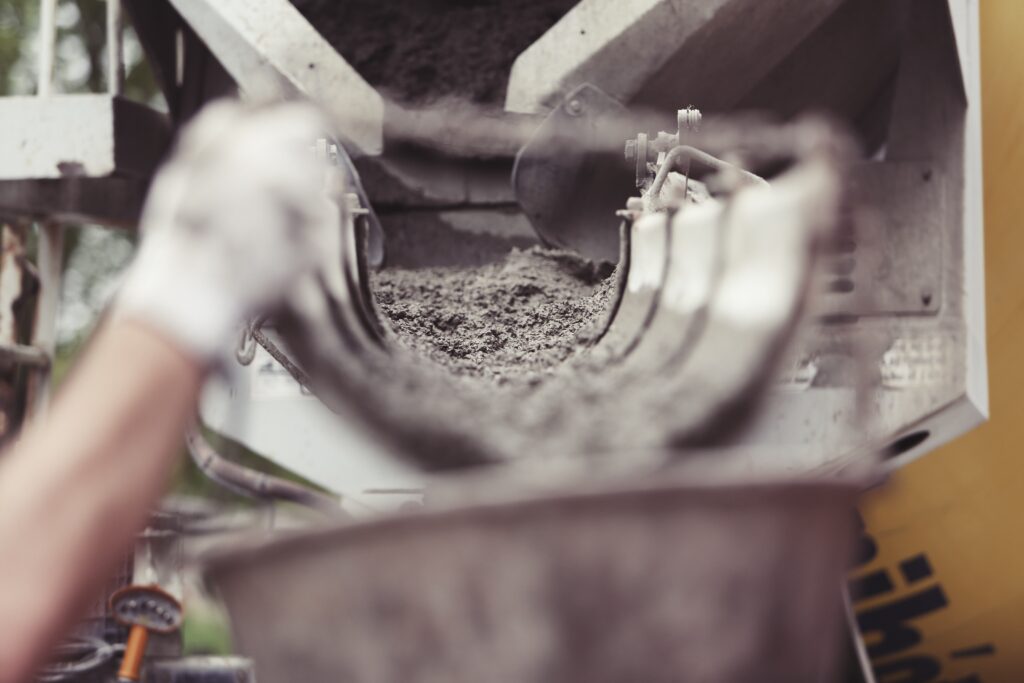
Tariffs, Trade Policy and Material Costs Will Keep Pressure on Budgets
If there’s one theme nearly every outlook agrees upon, it’s that tariffs and trade policy are a wild card for 2026 construction costs. Recent policy changes have raised tariffs on key construction materials — especially steel and aluminum, where U.S. tariffs increased up to 50% in 2025. Deloitte notes that the effective tariff rate on construction goods climbed to a 40-year high in 2025, and those elevated levels are expected to carry into 2026. What does that mean on the ground?
- Cushman & Wakefield estimates that current tariff levels could raise overall construction materials costs about 9% above 2024 levels, increasing total project costs by roughly 4.6%.
- Nationwide’s 2025 report notes that overall material prices stayed relatively stable through most of 2025, but tariff-related increases are likely to show up more clearly in 2026 as inventories purchased under older pricing are used up.
- Industry material outlooks for late 2025 highlight “sharp contrasts,” with materials such as lumber easing while others such as steel, copper and HVAC equipment push higher.
For concrete and construction crews, the takeaway is straightforward: Plan for volatility. Long lead items, steel-heavy scopes and projects sensitive to imported components may see more price movement than in recent years, even if headline inflation is moderating.
The Bipartisan Infrastructure Law Will Keep Public Projects Flowing
Now several years into implementation, the Bipartisan Infrastructure Law (BIL), also known as the Infrastructure Investment and Jobs Act, is still a major force behind public-sector construction. As of early 2025:
- More than 72,000 projects and awards were in motion across all 50 states, Washington, D.C. and U.S. territories.
- Work was underway on more than 207,000 miles of roadway and more than 11,400 bridge projects
- Billions in annual formula funding continue to flow into roads, bridges, ports, airports, water systems, broadband and similar projects.
For crews that support highway, bridge, utility, water and transit work, that translates into a multi-year pipeline of opportunity that stretches well beyond 2026. While some agencies are adjusting timelines based on budget pressures, the broad trend points to steady demand in public infrastructure. This is a helpful counterbalance to slower segments like office or certain types of commercial work.
Cement Will Continue to See Increased Demand
As has been the case for several years, demand for cement is rising on the global scale. Statista notes that experts anticipate demand will grow by 2.4% each year from 2022 to 2026, reaching a worldwide demand of approximately 4.8 billion metric tons. Urbanization and large-scale infrastructure projects — not just in the U.S., but across multiple continents — are contributing factors to the growth.
Innovation, High-Demand Sectors and Smart Planning Will Shape 2026
Policy shifts and pricing changes continue to play a role across construction. Even so, there are bright spots, especially in fast-growing sectors and the tools teams are using to build smarter. For concrete crews, 2026 offers real opportunity for those who stay adaptable and ready to take advantage of emerging trends.
Data Centers Will Keep Driving Big, Complex Jobs
AI, cloud storage and digital infrastructure aren’t slowing down anytime soon. According to JLL’s North America Data Center Report, data center construction remains one of the strongest performers heading into 2026. The report tracks more than 8 gigawatts of planned and active projects across North America, most of which are already pre-leased. This signals deep and steady ongoing demand.
Industry watchers, including Glass Magazine, note that data centers are expected to “run away with growth” in several nonresidential categories, even outpacing traditional office construction in overall project value. At the same time, some regions are weighing the environmental impact of these facilities. Reporting from The Verge highlights how communities concerned about power, water use and emissions have considered or enacted temporary pauses or moratoriums. This doesn’t slow the national trend, but it does shift where new projects break ground. For concrete crews, that translates to:
- Heavy demand for large, complex foundations and high-tolerance slabs
- Strong opportunities in markets actively recruiting digital infrastructure
- A need to remain aware of local permitting and environmental timelines
Job Site Technology is Quickly Becoming Standard Gear
Technology has officially reached the job site. It’s helping crews tackle long-standing challenges such as labor shortages, scheduling conflicts and safety concerns. Outlooks from Deloitte’s construction trends report and JLL’s technology insights highlight broader adoption of:
- AI-assisted scheduling and estimating
- IoT sensors that track curing and performance inside concrete
- Drones for progress photos, surveys and safety checks
- Robotics and automation for repetitive or high-risk tasks
- Digital workforce and access-control tools that keep projects running smoothly
These tools help crews work more accurately, improve documentation and keep complex pours on schedule. These are all crucial advantages in a year when owners expect greater transparency and predictability.
2026: A Year Built for Smart, Strategic Moves
When you zoom out, the 2026 concrete industry outlook calls for clear, thoughtful planning and a willingness to adapt. Costs are more predictable than they were a year ago, high-demand sectors continue to create opportunities and job site technology is making day-to-day work safer and more efficient.
As always, keeping your equipment ready plays a big part in staying ahead. From concrete chipping to silo and central mixer cleaning, our team is here to support your operations and keep your fleet ready to roll into the coming year. Feel free to reach out to our team at any time.